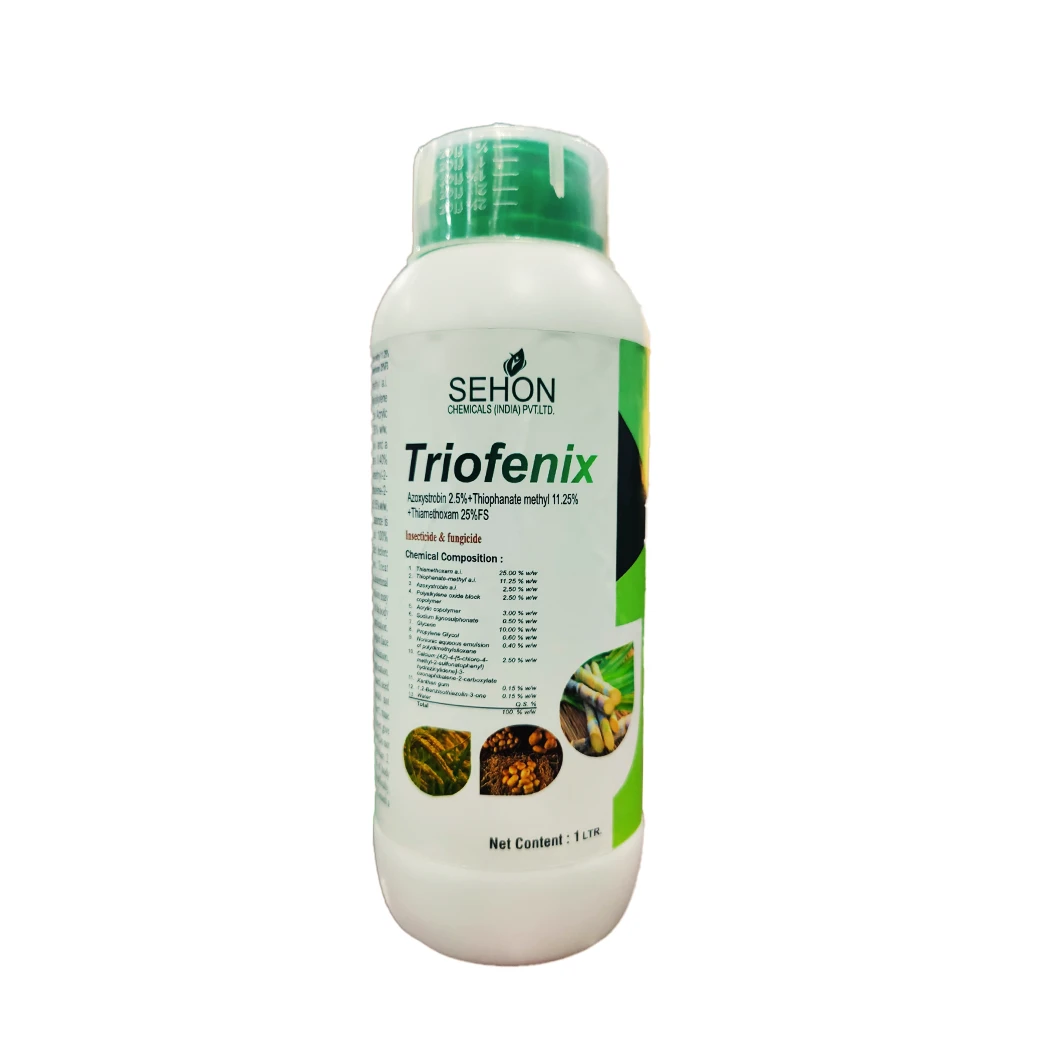
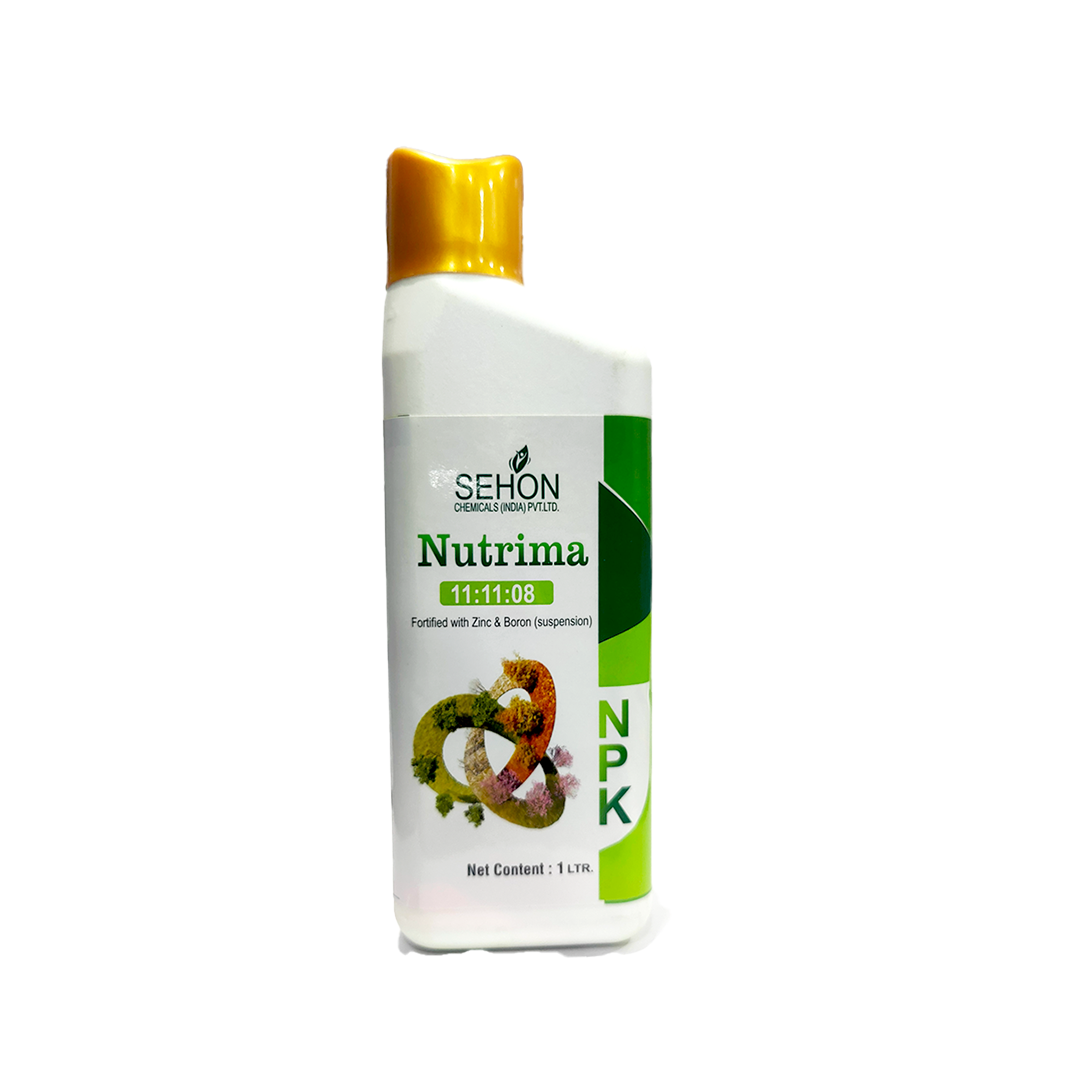
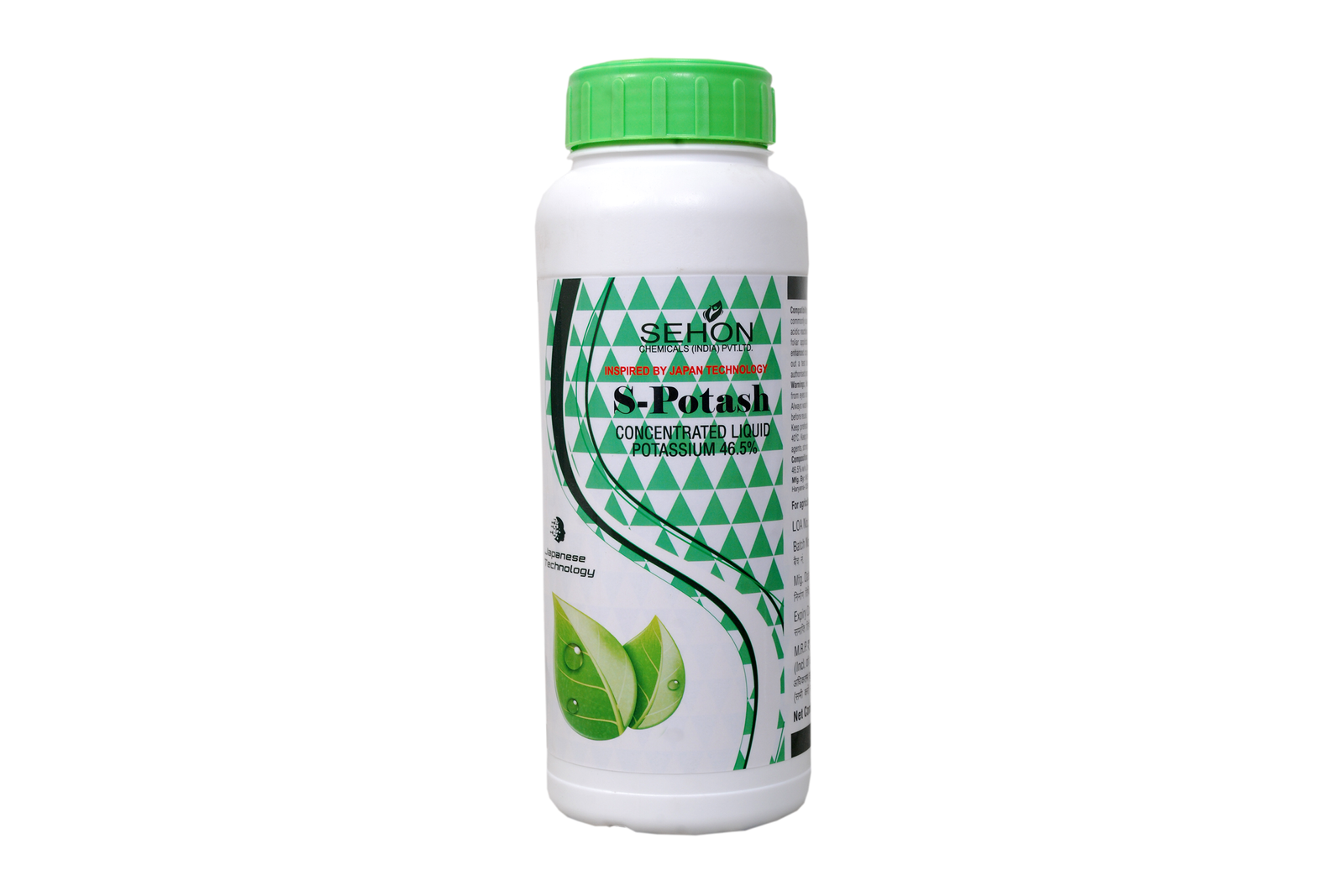
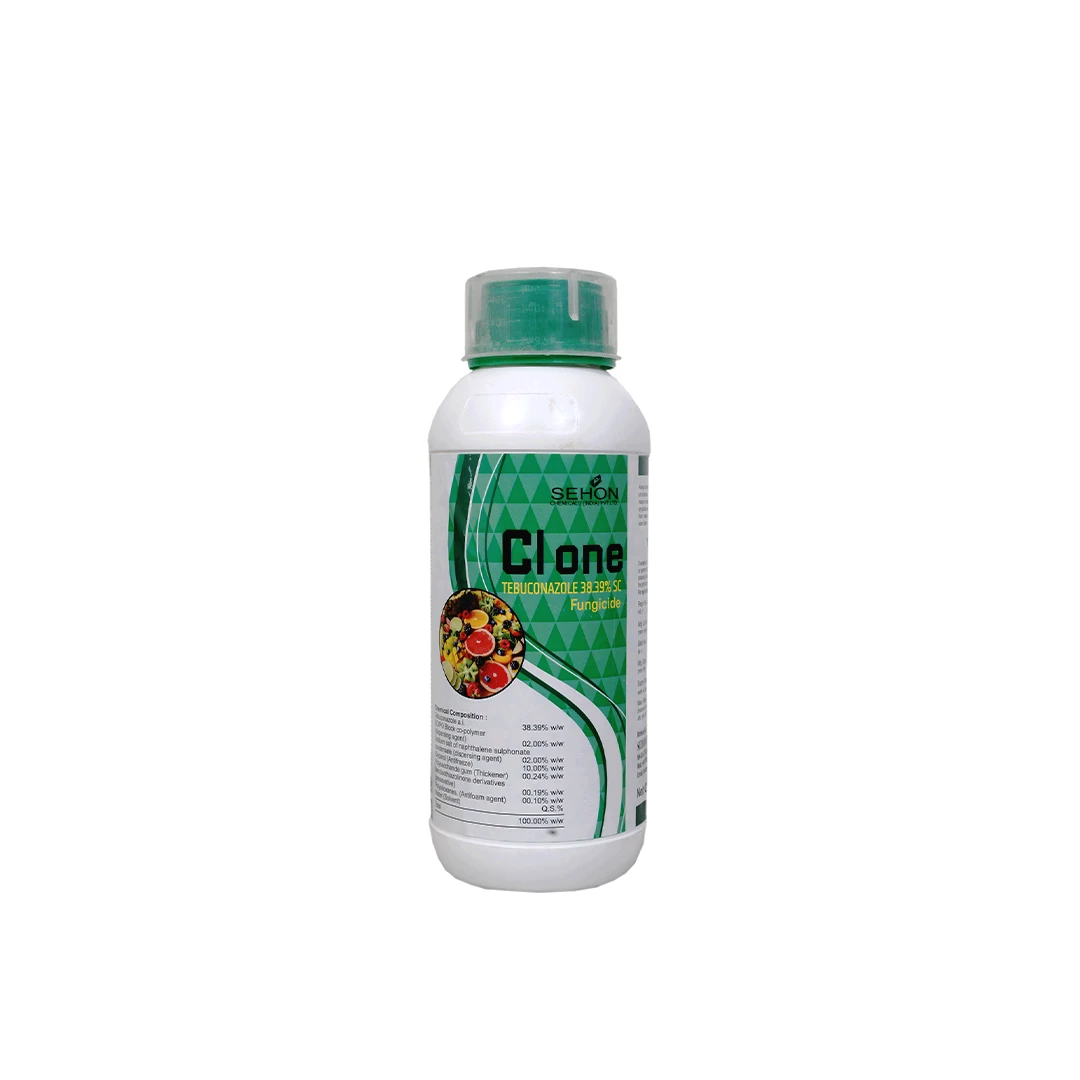
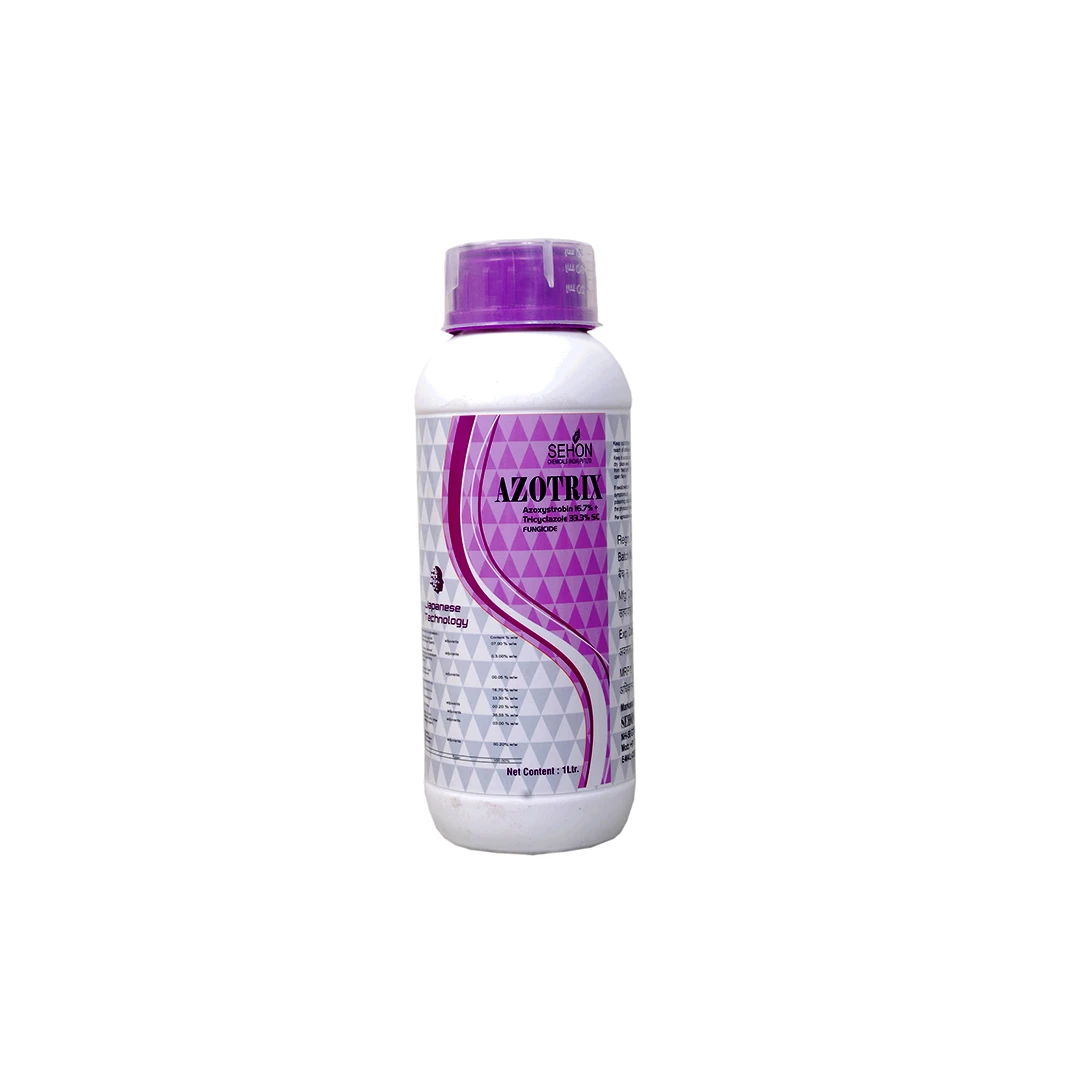
Triofenix is a multi-action fungicide + insecticide combination developed for broad spectrum protection in various crops. It combines three actives:
- Azoxystrobin (2.5%): a broad-spectrum systemic fungicide (strobilurin class) that inhibits fungal respiration. agchemaccess.com+2Cultree India+2
- Thiophanate Methyl (11.25%): a systemic fungicide that interferes with fungal cell division, effective against many seed- and soil-borne diseases. chemrobotics.com+2Cultree India+2
- Thiamethoxam (25% FS): a systemic insecticide (neonicotinoid class) acting on insect nervous systems, particularly effective against sucking pests. Cultree India+2Agribegri+2
BENEFITS & MODES OF ACTION
- Triple protection in one package:
· Fungicidal control of diseases (e.g. seedling blight, root rot, foliar fungal diseases)
· Insecticidal control of early sucking pests (e.g. aphids, thrips, leafhoppers) - Systemic action: The actives move within the plant, allowing internal protection beyond surface contact.
- Synergy and residual effect: The mixture can suppress disease and pest pressure during early and mid stages of crop growth.
- Versatility: Suitable for seed treatment, soil drenching, and foliar spray (depending on label).
- Improved crop establishment: Lower disease and pest pressure enable healthier seedlings, better root systems, and stronger growth.
CROPS / TARGETS
Because of its combined action, Triofenix can be applied across a variety of crops—especially those vulnerable to both fungal disease and insect pests. Examples include:
- Cereals: wheat, rice, barley
- Pulses: soybean, chickpea, mung bean
- Oilseeds: canola, sunflower
- Vegetables: tomato, potato, beans
- Other crops: cotton, maize, etc.
Target pests / diseases may include:
- Seed- and soil-borne fungal pathogens: Fusarium, Rhizoctonia, Pythium, Alternaria, Botrytis, etc.
- Foliar fungal diseases: powdery mildew, rusts, leaf spots, blights
- Early sucking pests: aphids, whiteflies, thrips, leafhoppers
(These are typical targets of such combinations)
APPLICATION PROTOCOL
Application Timing & Methods
- Seed Treatment / Seed Dressing: Apply Triofenix at the seed stage to protect germinating seeds and young seedlings from disease and insect attack (often done before sowing).
- Soil Drench / Pre-emergence: Apply in the soil zone around seeds/roots to protect emerging seedlings.
- Foliar Spray: In crops where label permits, spray on leaves when disease or insect symptoms first appear.
Dose & Dilution
- The exact dose depends on crop, pest/disease pressure, and local recommendations.
- Always adhere to the label instructions and regulatory guidelines for your region.
Reapplication / Interval
- Reapply as per the crop’s growth stage, residual life of actives, and pest/disease risk.
- Do not exceed maximum seasonal usage limits for each active.
SAFETY & PRECAUTIONS
- Use personal protective equipment (gloves, goggles, mask, protective clothing) during mixing and application.
- Avoid drift to non-target plants, and prevent contamination of water bodies (azoxystrobin and thiophanate can be toxic to aquatic organisms).
- Do not enter treated fields until spray residues are dry (as specified on the label).
- Store in a cool, dry place, away from children, feed, and food.
- Follow safety and disposal guidelines for containers and residues according to local regulation.
PROPOSED LABEL SUMMARY
Triofenix – Triple Action Fungicide + Insecticide
Active Ingredients:
- Azoxystrobin 2.5%
- Thiophanate Methyl 11.25%
- Thiamethoxam 25% FS
Features:
- Broad-spectrum fungal disease control
- Early insect (sucking pests) protection
- Systemic and residual activity
- Suitable for seed treatment, soil, and foliar applications
Crops: Wheat, rice, pulses, vegetables, oilseeds, maize, cotton, etc.
Targets: Seed/soil fungi and foliar pathogens, aphids, thrips, leafhoppers, whiteflies
Use Instructions:
- Apply as seed treatment or drench for early protection
- For foliar application, spray at onset of pest/disease
- Follow recommended dose and intervals
Safety: Use PPE, avoid drift, adhere to re-entry intervals, proper storage & disposal
 english